A quick comment from Nathan Caldwell:
“Horror has multiple subgenres. I think some of it might be down to personal conviction (Christian Liberty) but there are others that I wouldn’t even hiccup a second thought about watching. Movies that might be scary or thrilling without being demonic—physiological horror, for example. I used to watch the dark stuff, but usually stay away from it now.”
Main Counterarguments: Why Some Watch Horror
- Highlighting Good vs. Evil: Some argue that horror films actually affirm the ultimate triumph of good over evil. When themes like demons, exorcisms, and the church are taken seriously, stories can point back to spiritual realities and God rather than glorifying darkness.
- Avoiding "Bubble Gum Christianity": Scripture is filled with profound violence, warfare, and spiritual darkness. Avoiding scary or difficult stories entirely risks shielding believers from confronting harsh truths, creating an unrealistic view of the world.
- The Principle of Christian Liberty: Many believe that viewing horror comes down to personal conviction rather than a universal ban. Because believers are made holy through Christ, they can exercise individual discernment regarding what builds their faith up.
Common Arguments Against Watching Horror
- Exposure to Occult Themes: Critics point to biblical warnings—such as Deuteronomy 18:9–14, which cautions against divination, witchcraft, and mediums—arguing that horror can invite harmful spiritual exposure.
- Fueling Fear and Anxiety: Some worry that scary films contradict scriptural calls for peace and courage, referencing passages like 2 Timothy 1:7 ("For God has not given us a spirit of timidity, but of power and love and discipline").
- Desensitization: Others express concern that frequent exposure to graphic violence and evil can numb the conscience and dull a believer’s spiritual sensitivity over time.
Christian Horror Movies Discussion
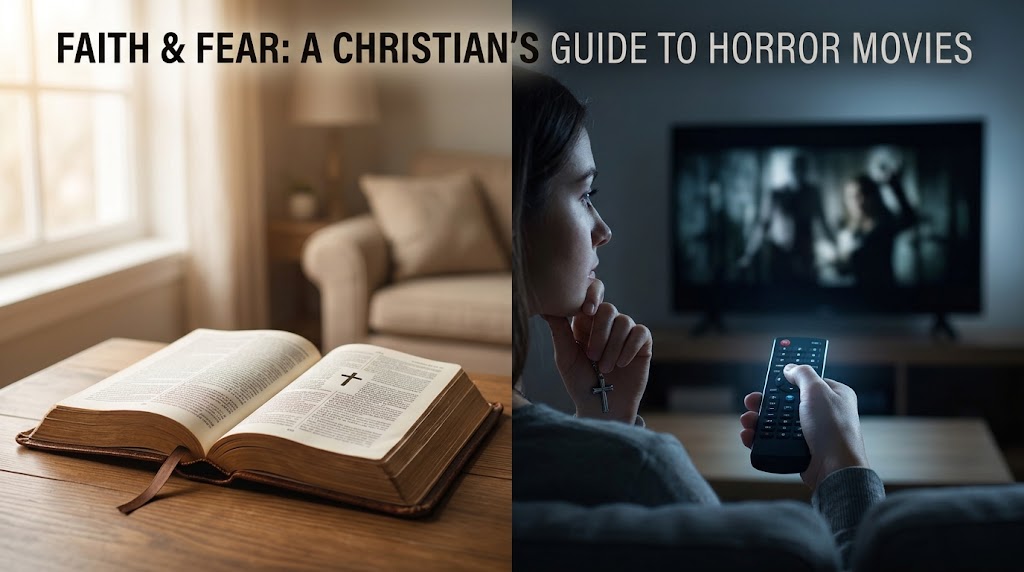
Keith and Chris discussed whether Christians should watch horror movies, with Chris arguing that well-crafted horror films can effectively reaffirm good versus evil themes, while Keith expressed concerns about exposure to demonic and occult content. They explored examples of horror movies that either successfully demonstrate spiritual battles or poorly execute the genre without clear moral lessons.
The conversation touched on specific film examples including The Exorcist, Frankenstein, Dracula, Gremlins, and Evil Dead, with Keith ultimately expressing concern about poorly written horror films that might normalize occult themes without clear moral consequences.
Perspectives & Conclusions
Keith and Chris explored different viewpoints on the topic, considering scriptural warnings about witchcraft while distinguishing between movies that involve occult elements versus those focused on psychological thrillers or survival horror. While acknowledging biblical violence and end-times scenarios—with Chris noting that ignoring difficult content can create an unrealistic view of faith—both agreed on a balanced takeaway:
While horror movies should probably not be a regular staple of a Christian’s media diet, occasional viewing with proper personal discernment is acceptable, provided the content doesn’t lean into occult elements that compromise a believer’s conscience. Ultimately, individual choice and consideration for others should guide how we engage with the genre.
Podcast: Play in new window | Download (Duration: 55:01 — 50.4MB)
Subscribe: Apple Podcasts | Amazon Music | Podchaser | RSS | More